Faster first version
Start from reusable production-ready foundations.

ReApptor helps you turn real business processes into tailored digital solutions that your customers, clients and partners can use every day.
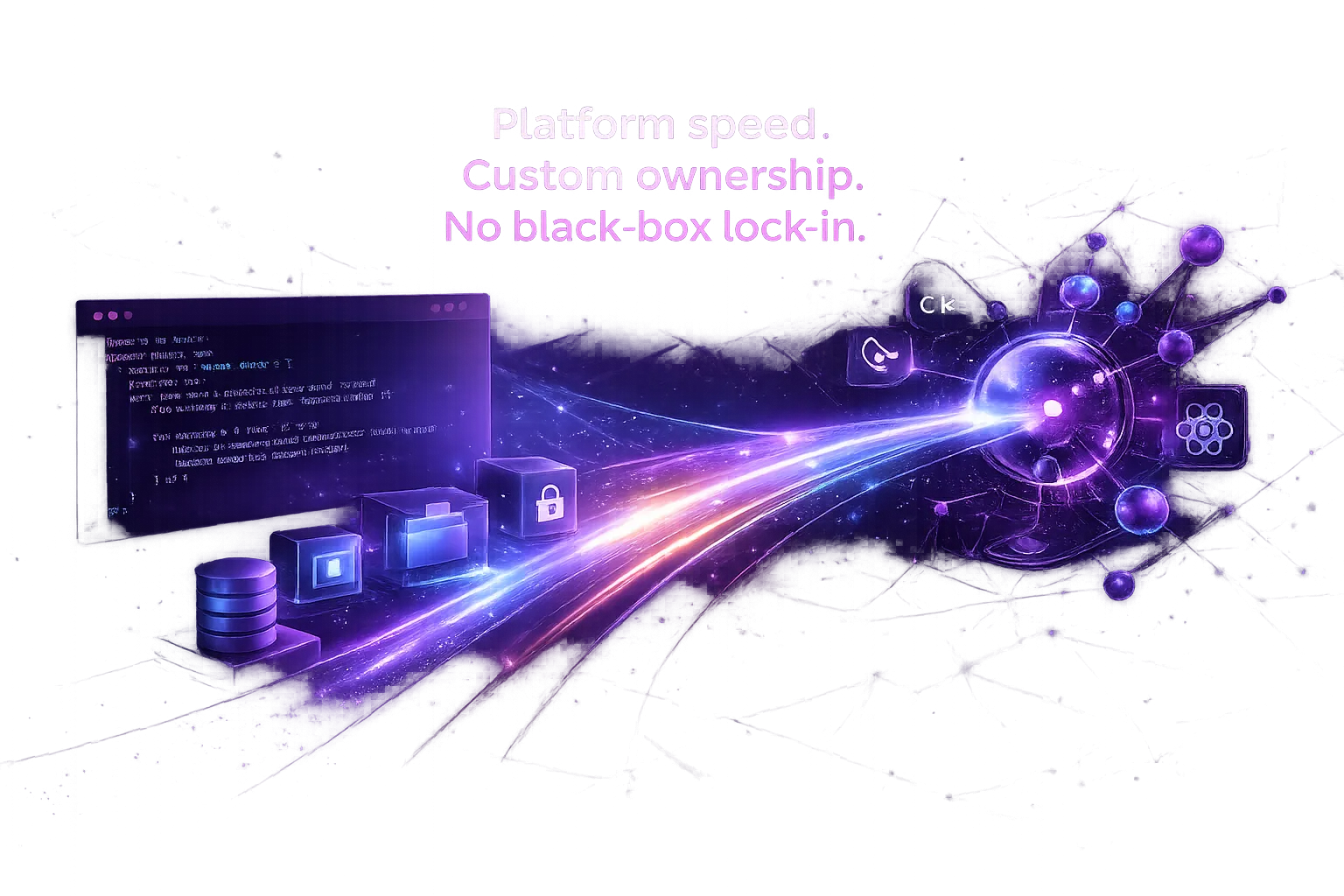
Start from reusable production-ready foundations.

Shape workflows around how your company works.

Improve as users, needs and services grow.
The customer-specific codebase, deployment model and handover path remain clear from the beginning.
Reusable modules speed up the start, while custom development keeps the door open for real business-specific logic.
ReApptor avoids hidden runtime lock-in and keeps the application understandable, deployable and maintainable.
Three ways to build
Reuse sign-in, roles and file handling so the first version can focus on the process you need to improve.
Adapt pricing, approvals and integrations to the way your company actually works.
Readable code and a normal repository support maintenance, handover and further development.
What makes the model different
The common building blocks are ready. We shape the workflows, integrations and business rules around your company, then deliver them in a customer-specific environment.
Ownership and handover of customer-specific deliverables are agreed in the project contract.
Get in touch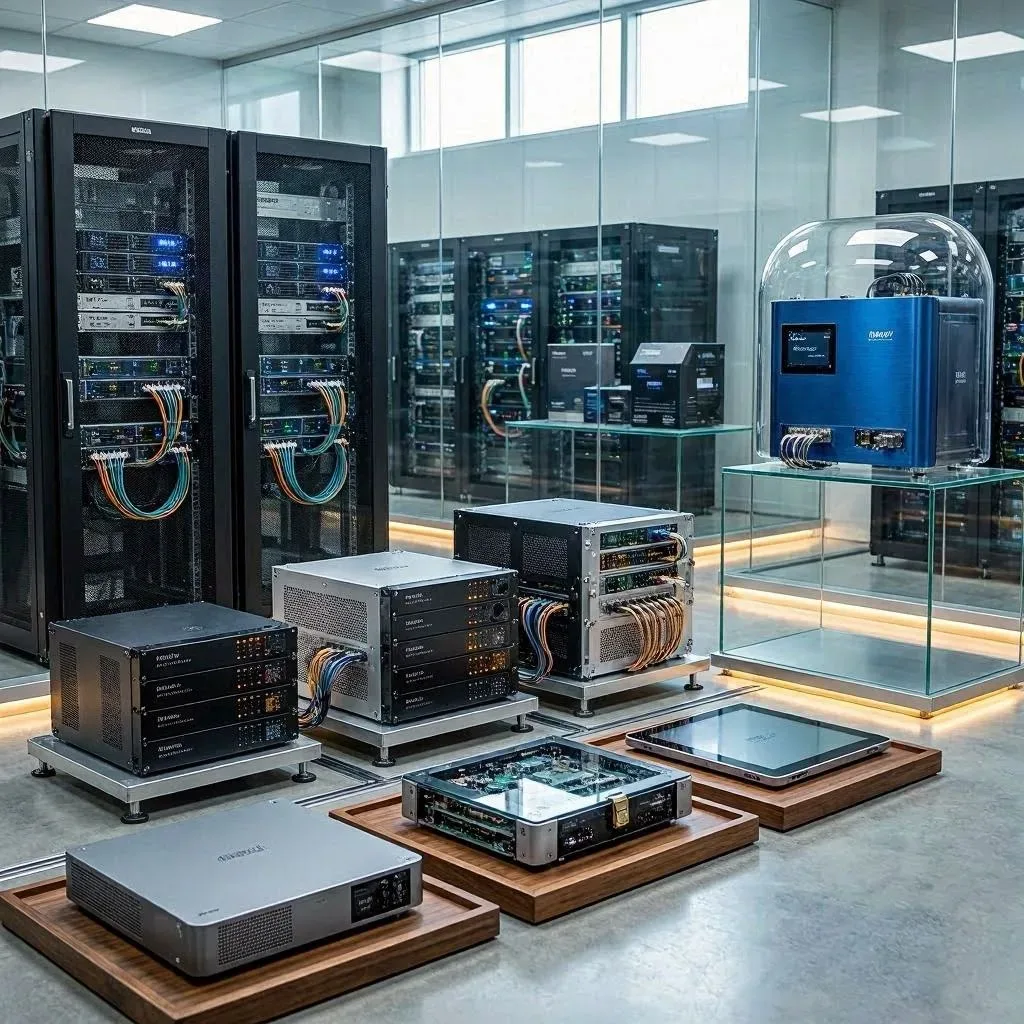
The delivery path starts with proven modules, then shapes the customer-specific product and keeps improving it after launch.
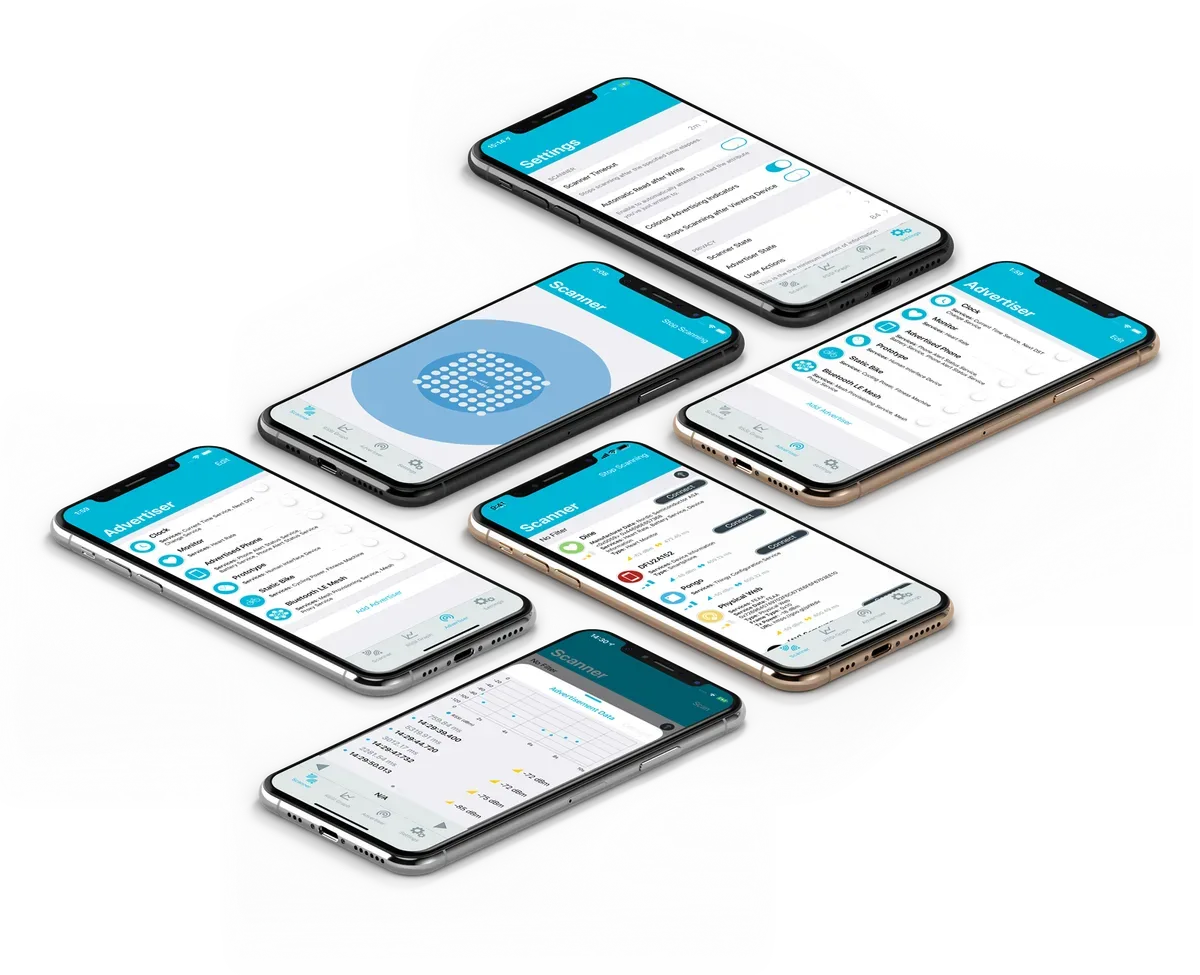
The same foundation helps launch real customer-facing workflows earlier and keep extending them as the business grows.
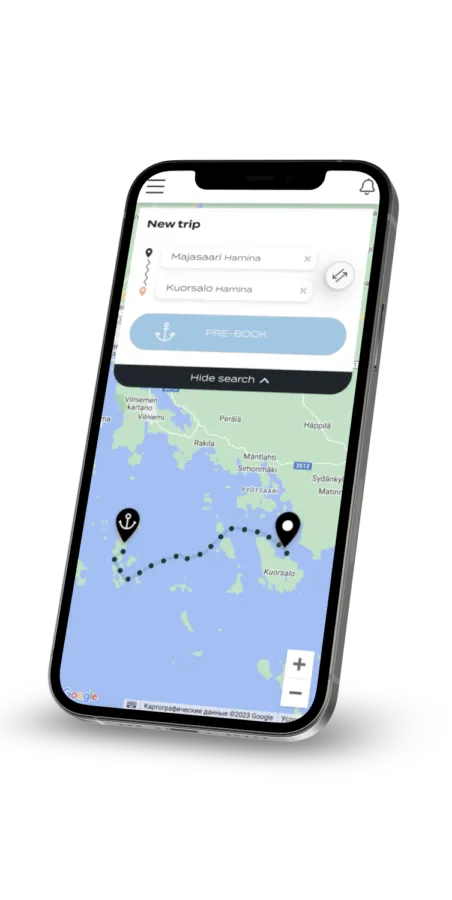
Bout Ride brings the ride-hailing model to water transport. Passengers book boat rides between predefined pick-up and drop-off locations, while boat captains receive and carry out the trips.
Operators and captains have their own workflows in the same platform. Dynamic pricing and automated revenue distribution keep the marketplace running without manual settlement.
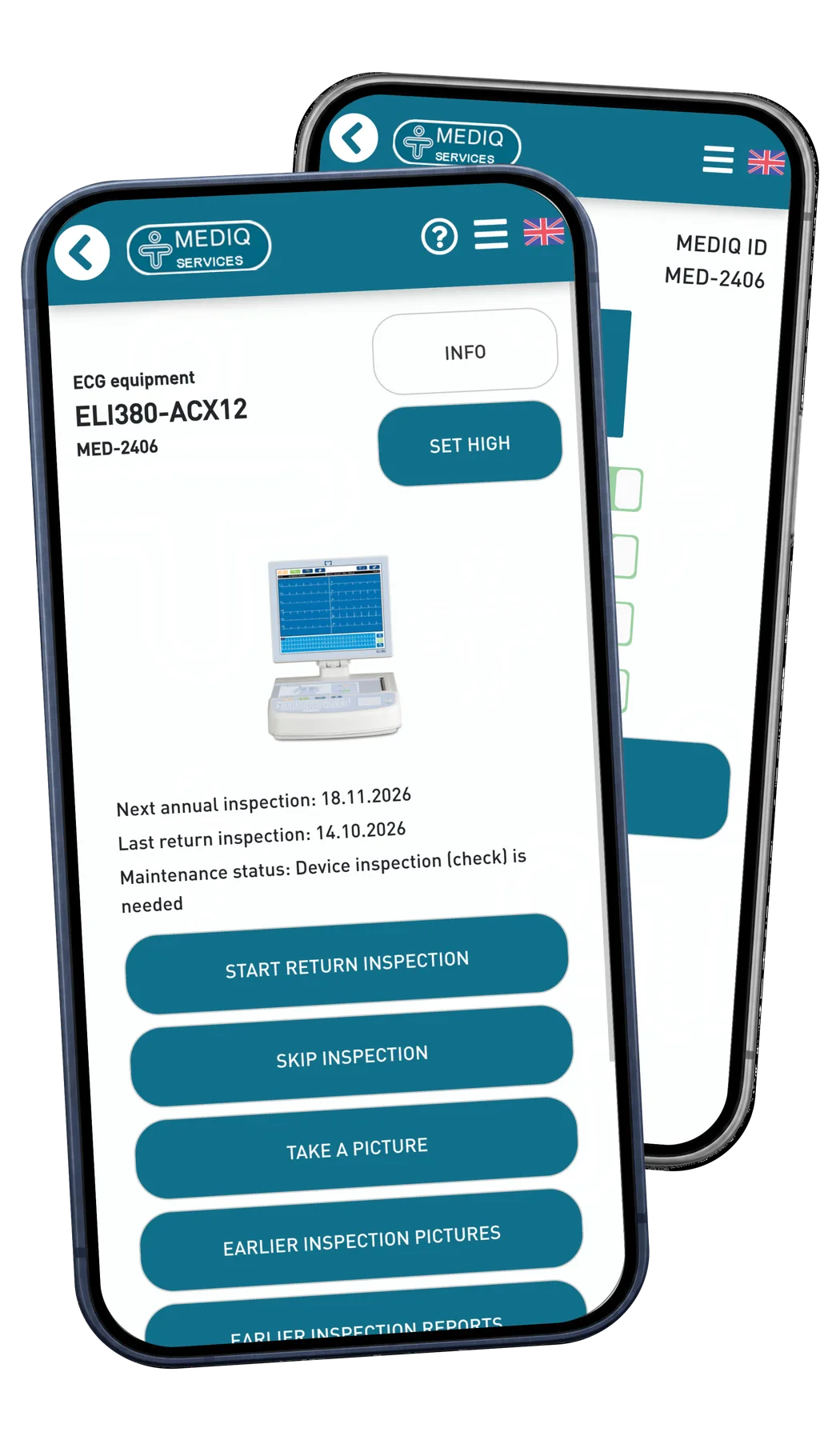
Equipment checks, service work and their history in one practical workflow. ReApptor developed a Mediq prototype that guides technicians through inspections and gives service teams a shared view of the next task.
ReApptor Portal connects a public service catalogue with the operational work behind customer applications. Teams configure applications, follow environment preparation, monitor running services and investigate cloud costs in the context of the customers they serve.
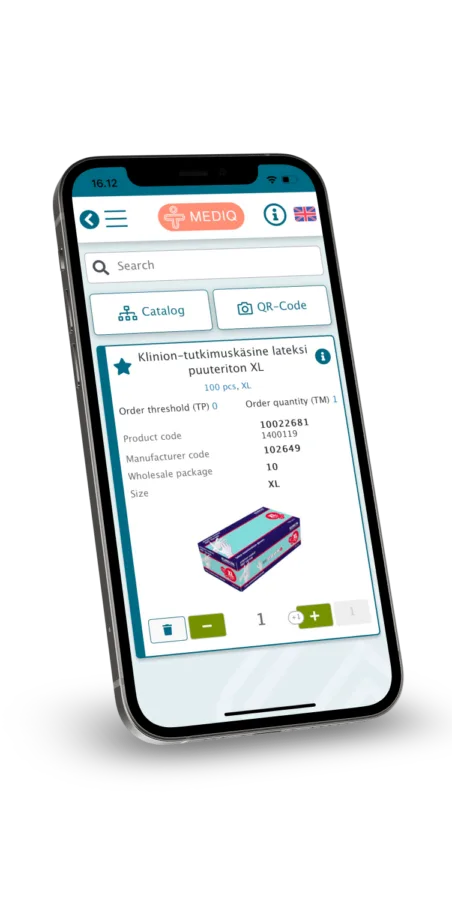
Mediq Aitta is a B2B ordering and inventory platform for healthcare. Customers place and edit orders, manage their product selection and stock, print reports and use QR scanning.
Detailed product information, similar and related products, order history and previous inventory data are available in the same service, together with customer-specific replenishment workflows.
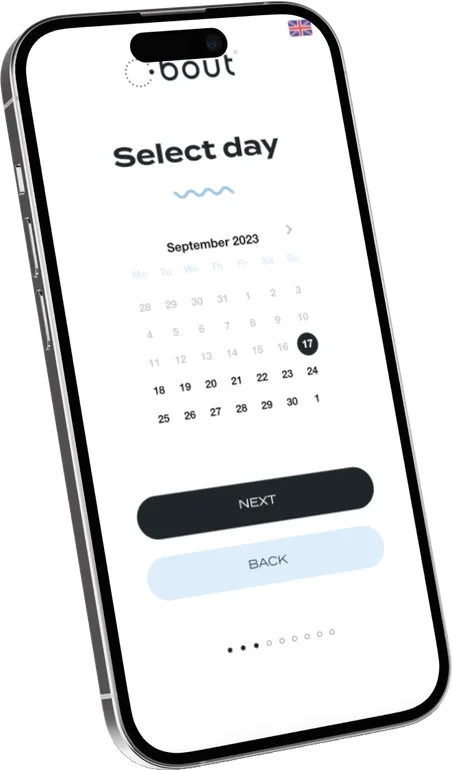
Bout Cruise is a request platform for guided private cruises. Customers describe the country, date, route, group size, vessel style and special wishes step by step instead of writing long messages.
Managers receive the request in a structured form and handle each order through a configurable back office for countries, areas, services and service providers.
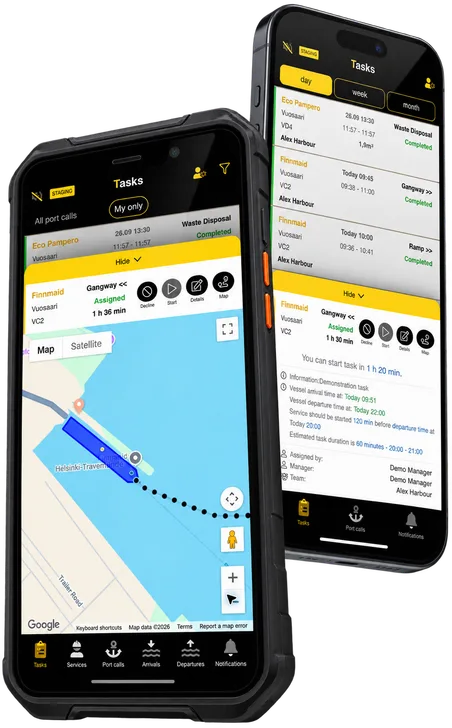
PortLink is an operational platform for port service companies. It manages port calls, vessel-related work, service tasks, employees, subcontractors and real-time operational communication.
Maritime service teams share one digital view of daily work, assignments and notifications, with structured workflows for desktop and mobile instead of fragmented manual coordination.
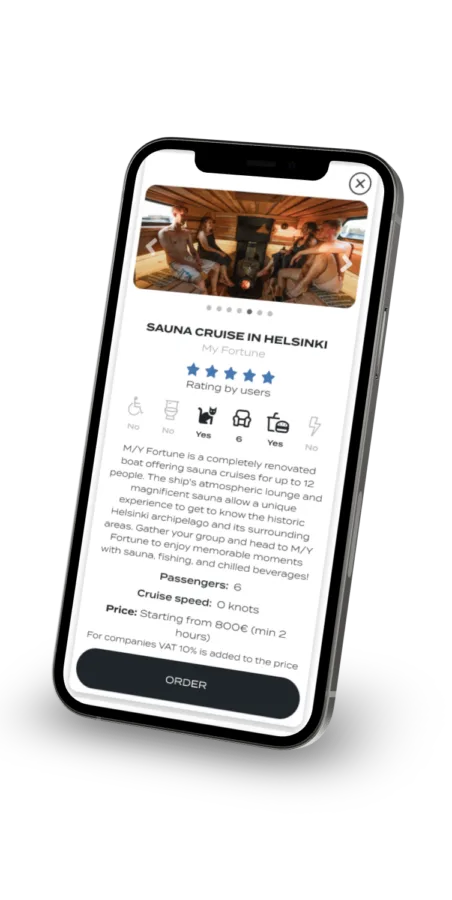
Bout Cruise Packages is a marketplace for searchable and bookable private cruise packages. Customers browse the offers, compare service details and move on to booking.
Bout and its service providers manage package content, pricing, images, options and operational details. It is a separate product from the Bout Cruise request wizard, Bout Ride and Bout Shuttle.
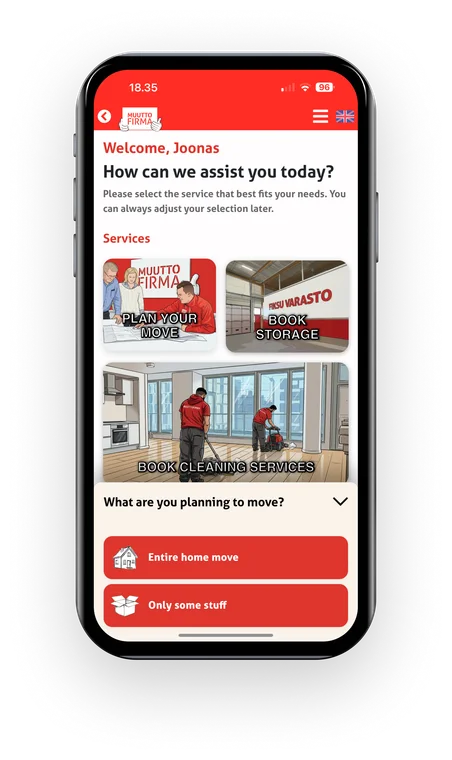
EasyMove is an AI-assisted platform for ordering a move. Customers describe the route, access, timing, services and scope, and support the estimate with photos, video and comments instead of long explanations.
For moving companies, it combines customer self-service, configurable pricing, payment models, order management and operational review tools in one reusable foundation.
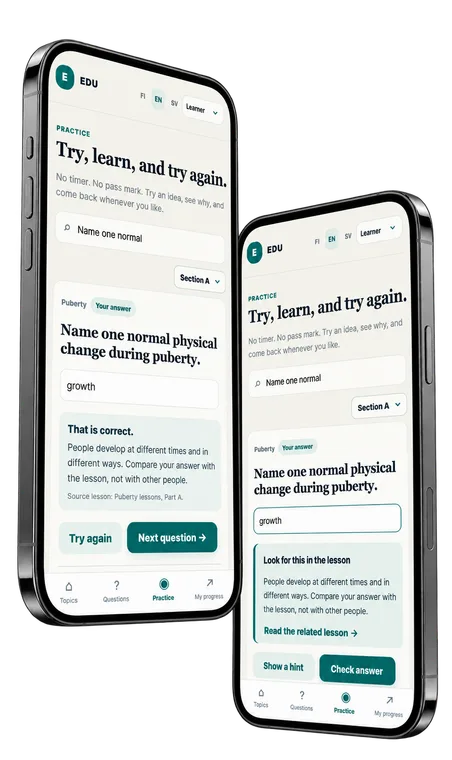
ReApptor connected searchable knowledge, short quizzes and explanatory feedback in one learning prototype. Readers find a topic, try their understanding and return to earlier attempts. The author maintains lessons and questions in a local editor. Built around Hannu Penttinen / Medaser Oy’s educational material.
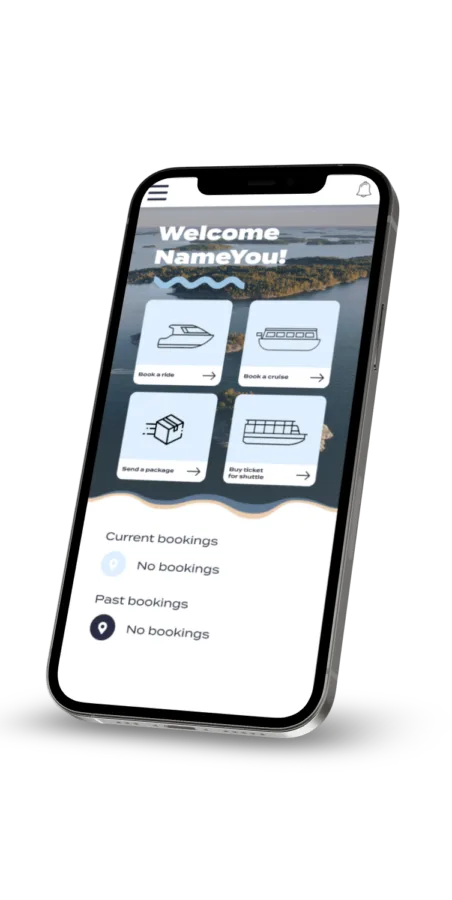
Bout Shuttle makes buying tickets for regular water bus routes easy. Passengers check schedules, find routes, buy tickets for themselves or their family and get clear directions to the stops.
Service providers use the same platform to register routes, create schedules and manage ticket sales, invoicing and ticket verification for their water transport services.
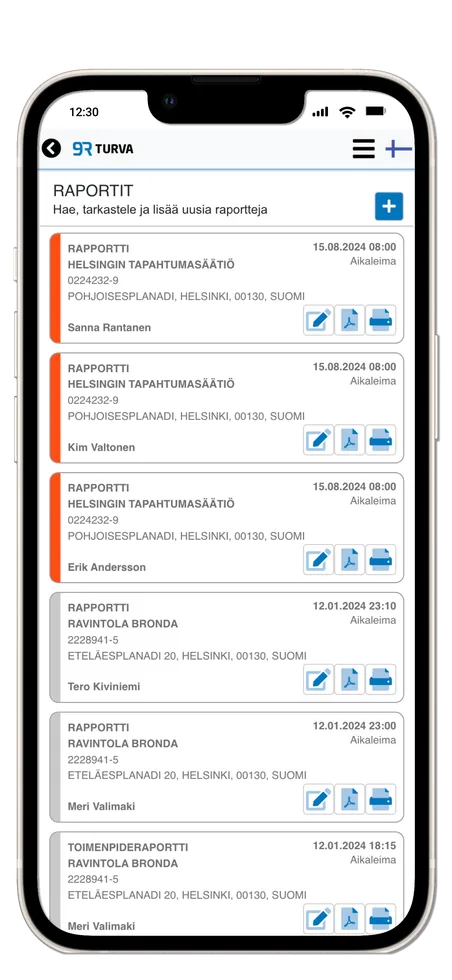
RepSec is a mobile-first reporting platform for security services. Guards create daily shift and incident reports with guided forms, voice dictation and AI-assisted report writing.
Supervisors handle approvals, corrections, notifications, customer delivery, PDF reports and statistics, and security vendors can run the platform as their own white-label service.
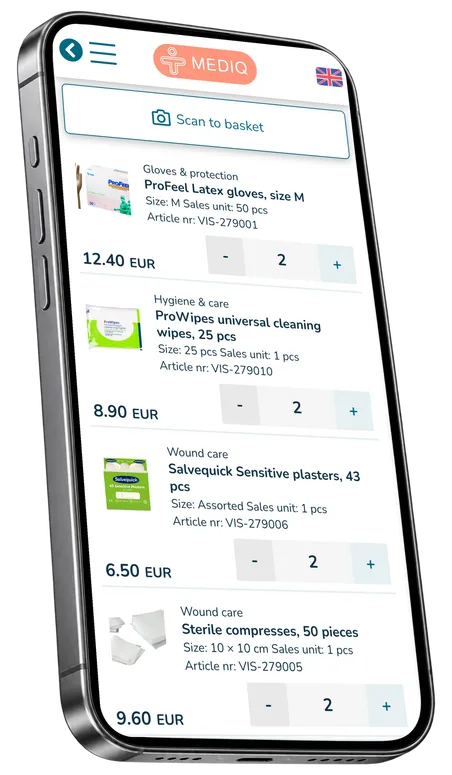
An e-commerce prototype for personal and business purchasing. ReApptor connected a photographic catalogue, reusable shopping lists, mobile scanning and product selection from prescription images in one buying journey.
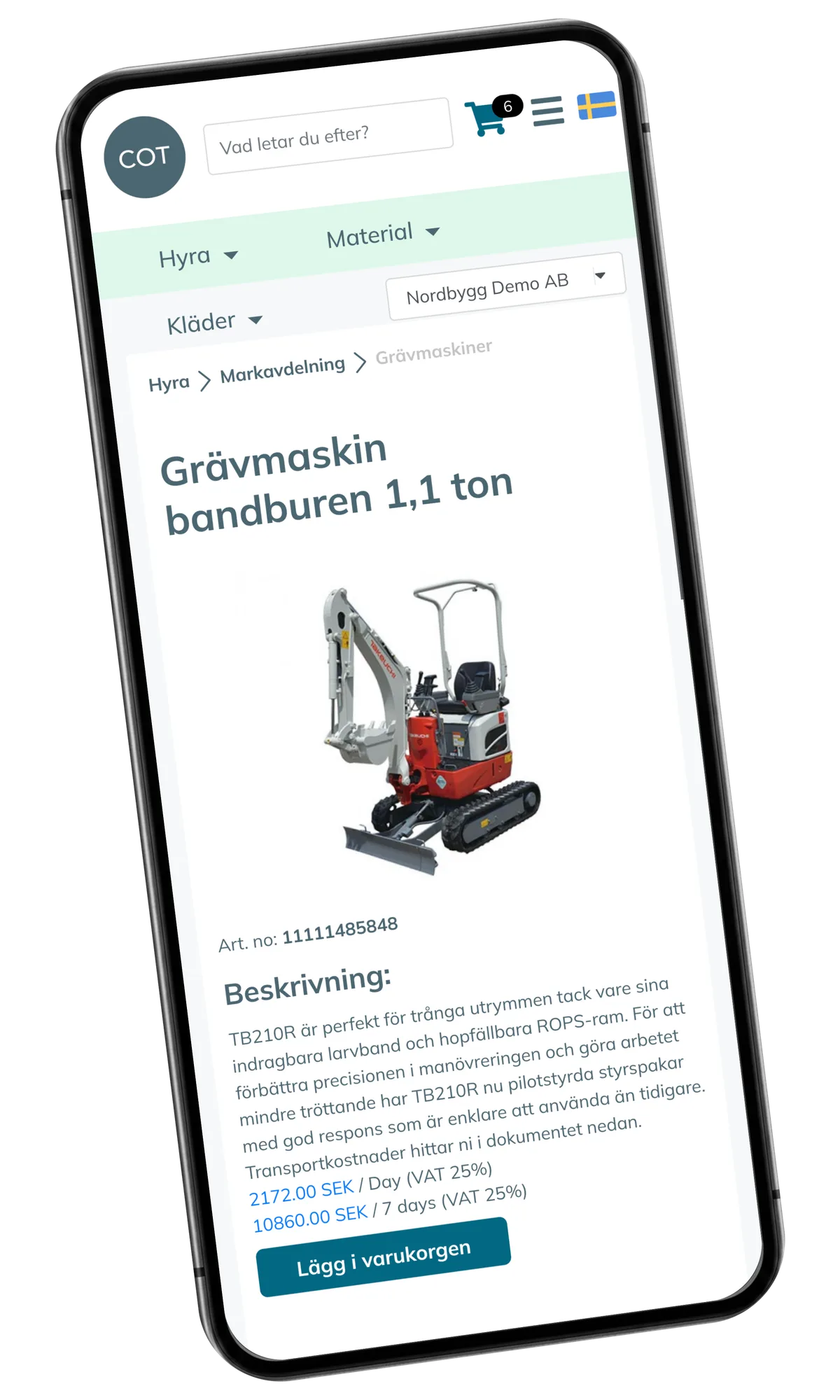
Equipment hire, tools and construction supplies belong to the same worksite plan. ReApptor developed the COT Sverige Portal prototype to connect a visual catalogue with customer pricing, site orders and equipment handovers.
Customers choose products and prepare delivery details. Staff follow the order through its supplied quantities and the physical machines assigned to it, keeping purchasing and rental work connected.
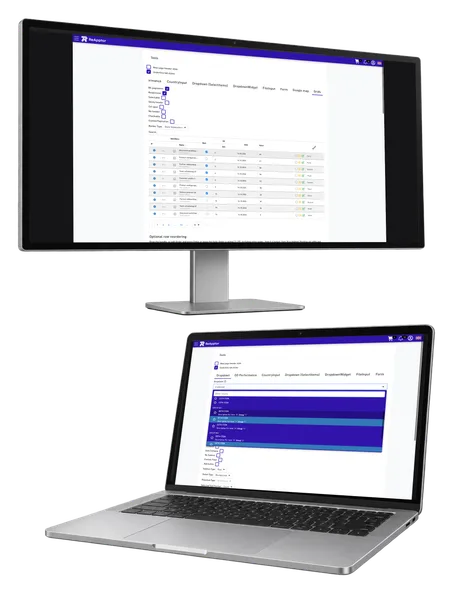
The ReApptor Component Library is the foundation of the ReApptor Product Suite. It includes more than 80 ready React components, from forms, inputs and grids to layouts, navigation, maps, QR scanning and signatures.
Shared .NET and TypeScript libraries add storage, PDF, SMS and localization. Together they power our rapid development service, which turns an idea into a working product in just two weeks.
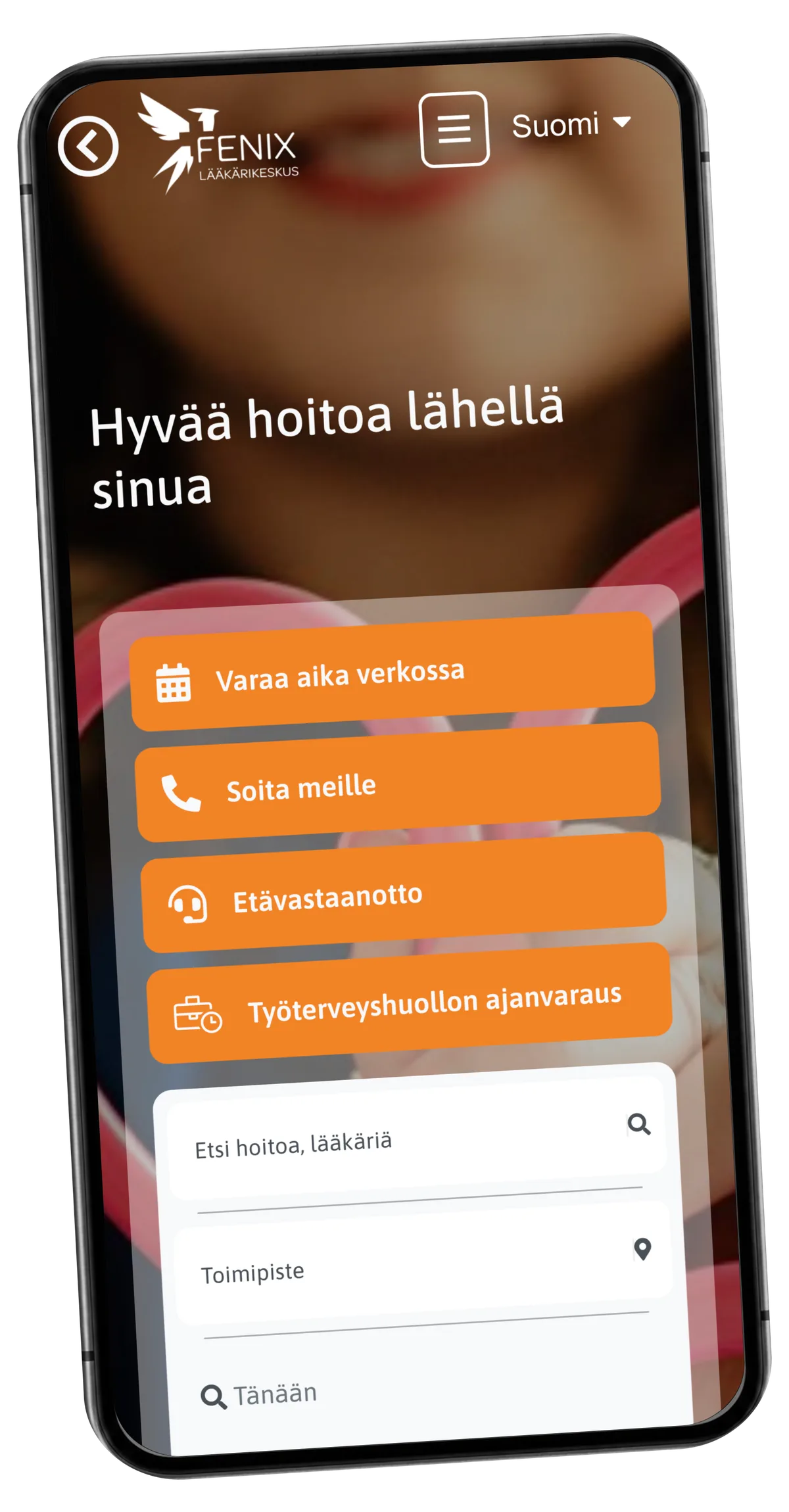
Finding care starts before the appointment. Fenix brings services, specialist profiles, clinic information and available times into one patient-facing application. The journey connects choosing a professional with finding a suitable visit.
WeAre developed this completed project for Fenix using ReApptor Platform and ReApptor Component Library. ReApptor supplied this foundation as a subcontractor. The case illustrates that platform and component-library contribution through the implemented patient interface, shown with fictional demonstration data.
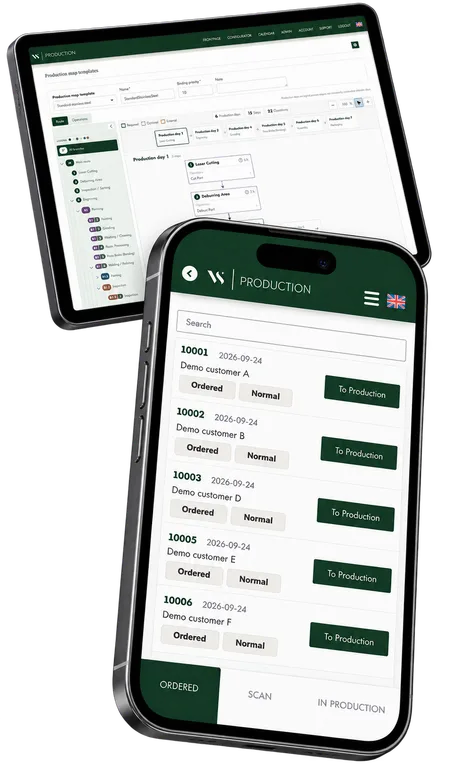
VS Nexus is the operations platform for VS Production’s custom manufacturing in Sweden. Customer orders, production routes, workshop queues, shipments and invoicing are connected in one working environment.
Teams see the work ahead in the production queue and calendar. Starting and finishing an order updates its status, and changed dates and delay reasons stay with the order.
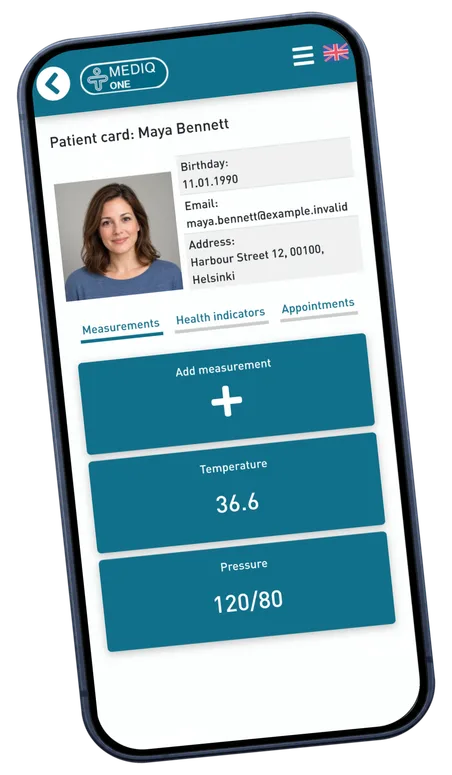
Mediq One explores a care-service portal with separate views for professionals and patients. Patient cards, visit information and observation entry meet in one responsive prototype.
Staff select a patient and prepare an observation with a value, note and image. Patients open their own card. Realistic demonstration records make the service journey tangible on mobile, tablet and desktop.
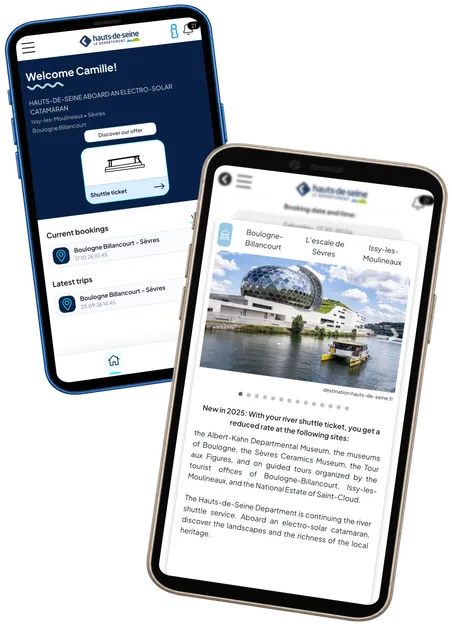
A river trip, booked for the whole family. HDS Navette brought branded passenger apps, QR tickets and crew tools to the Seine in Hauts-de-Seine, France, during the 2024–2025 seasons. Built on Bout Shuttle, developed by ReApptor.
Passengers reserved trips for their whole group, while crews checked the same booking at boarding. Routes, schedules and available places were managed together behind the branded service.
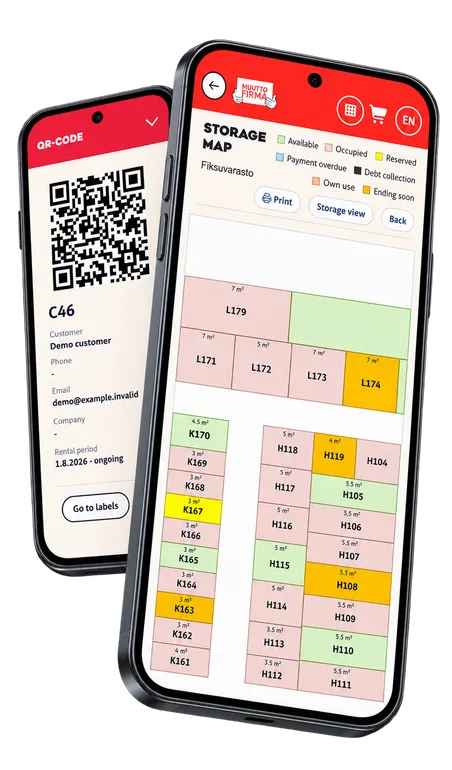
Easy Storage connects storage rentals, warehouse availability, customer accounts and payment follow-up, from an online purchase to the end of a contract. Online orders, office bookings and existing contracts meet in one system.
Managers work with the warehouse and rental details, while customers see their own agreements. The space, tenant, agreement and billing periods stay connected throughout the rental.
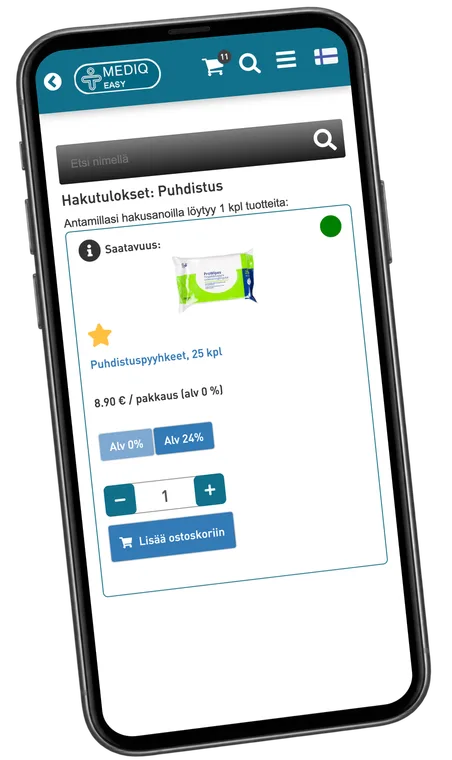
A healthcare ordering prototype that brings product photos, pack sizes, prices, favourites and clinic order details into one portal. ReApptor made the route from choosing supplies to preparing an organisation’s order tangible on mobile and desktop.
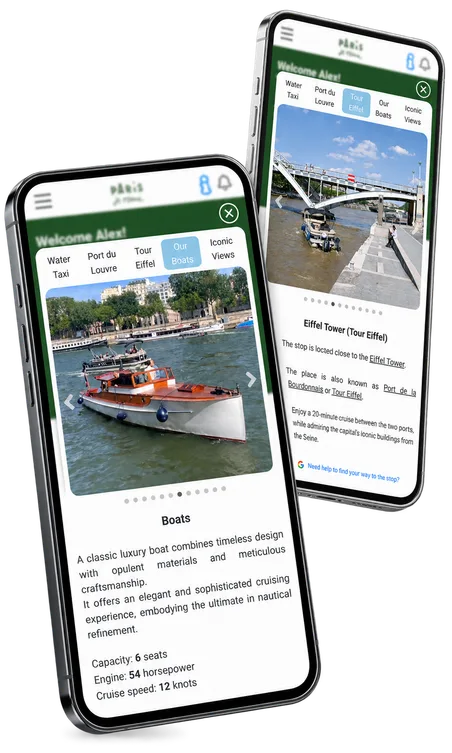
Taxi Seine Paris brought Paris je t’aime’s identity to private water-taxi bookings on the Seine, from the Eiffel Tower to the Louvre.
Passengers could discover the boats, find the quay and return to their booking. The branded service used the Bout Ride foundation developed by ReApptor, with connected operator tools behind each journey.
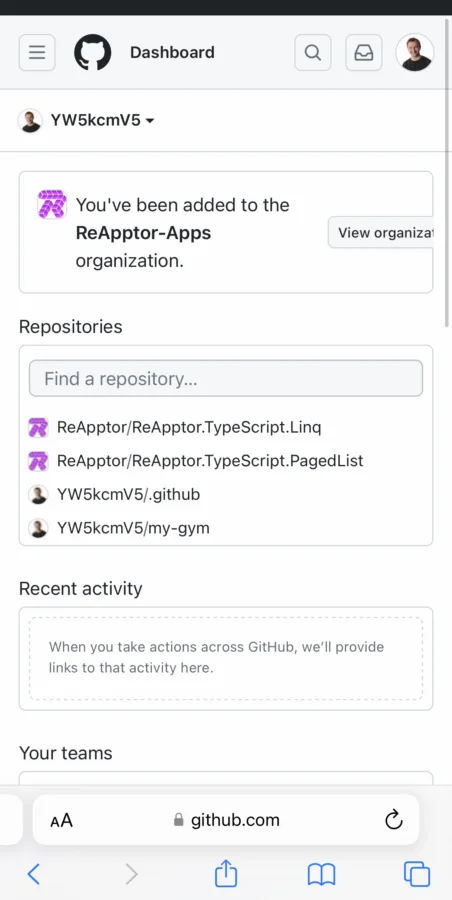
We publish selected parts of the ReApptor platform as open source to make code more transparent, simple, reusable and reliable. The libraries are free under the MIT license and available on GitHub and npm.
ReApptor TypeScript LINQ brings C#-style LINQ queries to TypeScript, and ReApptor TypeScript PagedList splits collections into pages. Both libraries are fully tested.
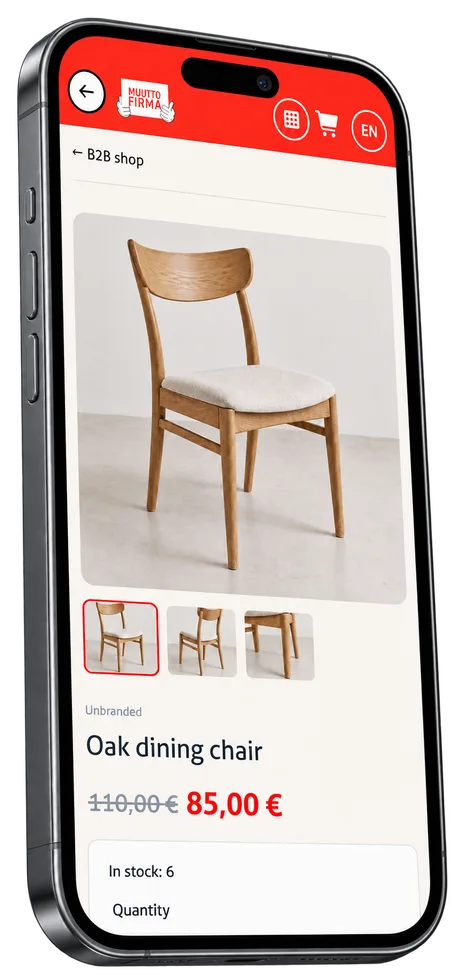
Easy Recycle connects the work behind furniture reuse: photographing an item, reviewing its condition and price, preparing a sale and serving business buyers. Mobile inventory tools and a B2B shop share the same items and product data.
AI-assisted identification and condition review support sales preparation. Managers assemble packages, while business buyers explore fixed-price offers and timed auctions.
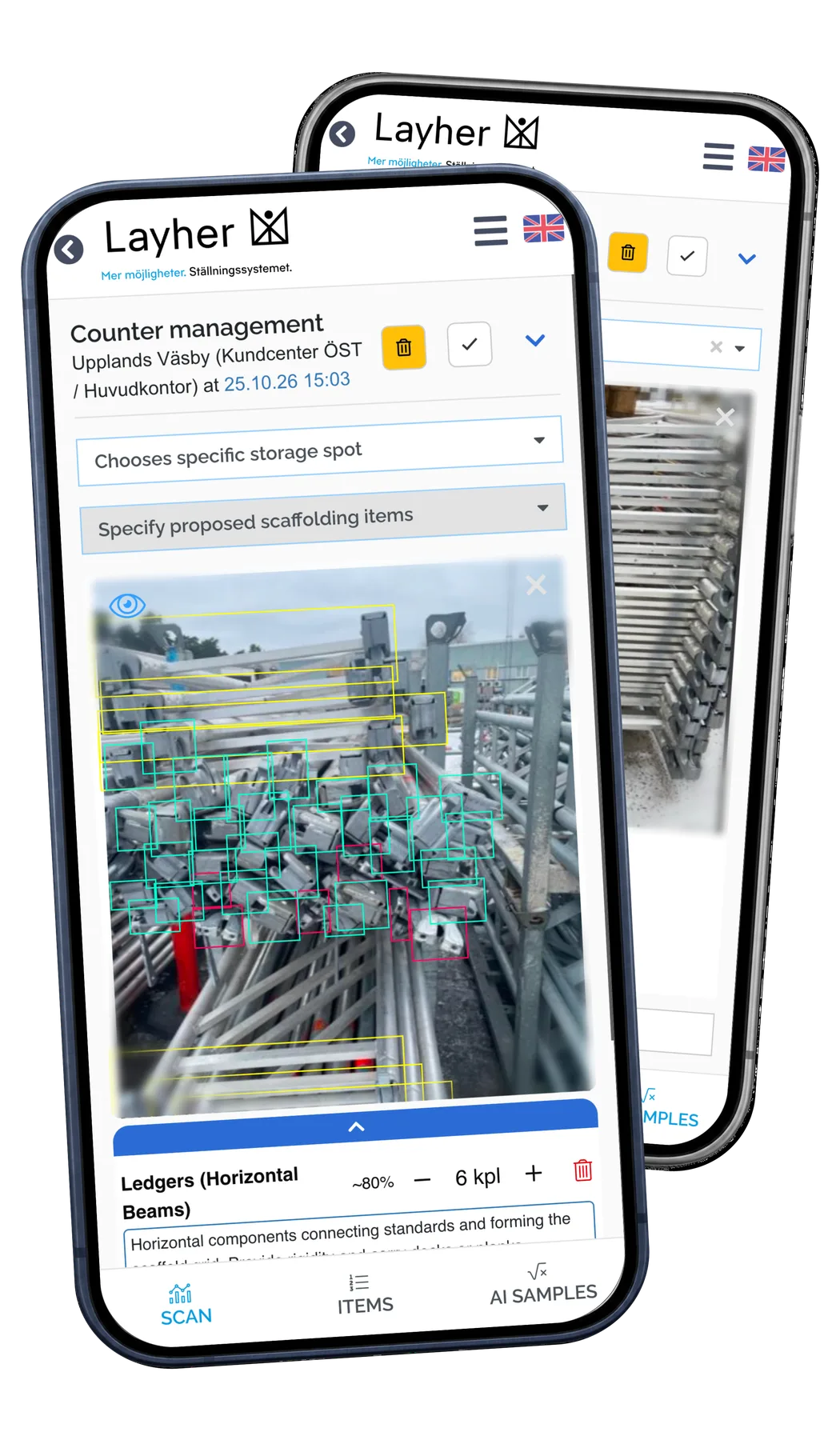
From a photograph of scaffolding parts to a reviewed inventory record. ReApptor developed a Layher prototype that connects material photos, suggested quantities, storage locations and operator checks.
The operator chooses a storage spot, reviews suggested categories and quantities, then saves the photograph with the checked material lines. A separate sample view collects labelled photos for later model development.
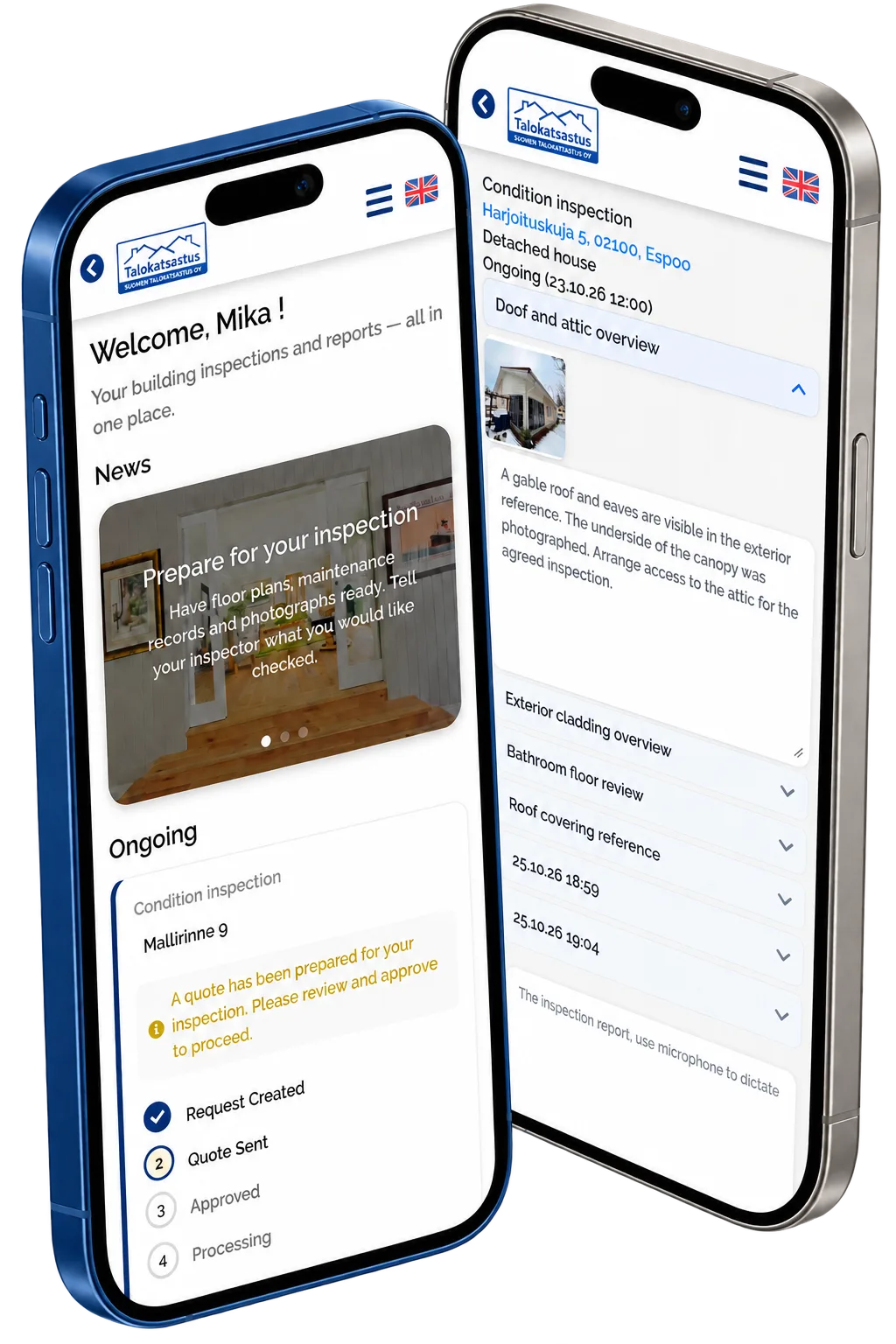
Property details, owner observations and inspection findings belong to the same story. ReApptor developed the Katsastus Tarkka prototype to connect the customer’s request with the inspector’s field notes and structured report.
The owner prepares the property information and reviews the available inspectors. The inspector works from a visit queue, records observations with photographs and reviews report sections organized around the building.
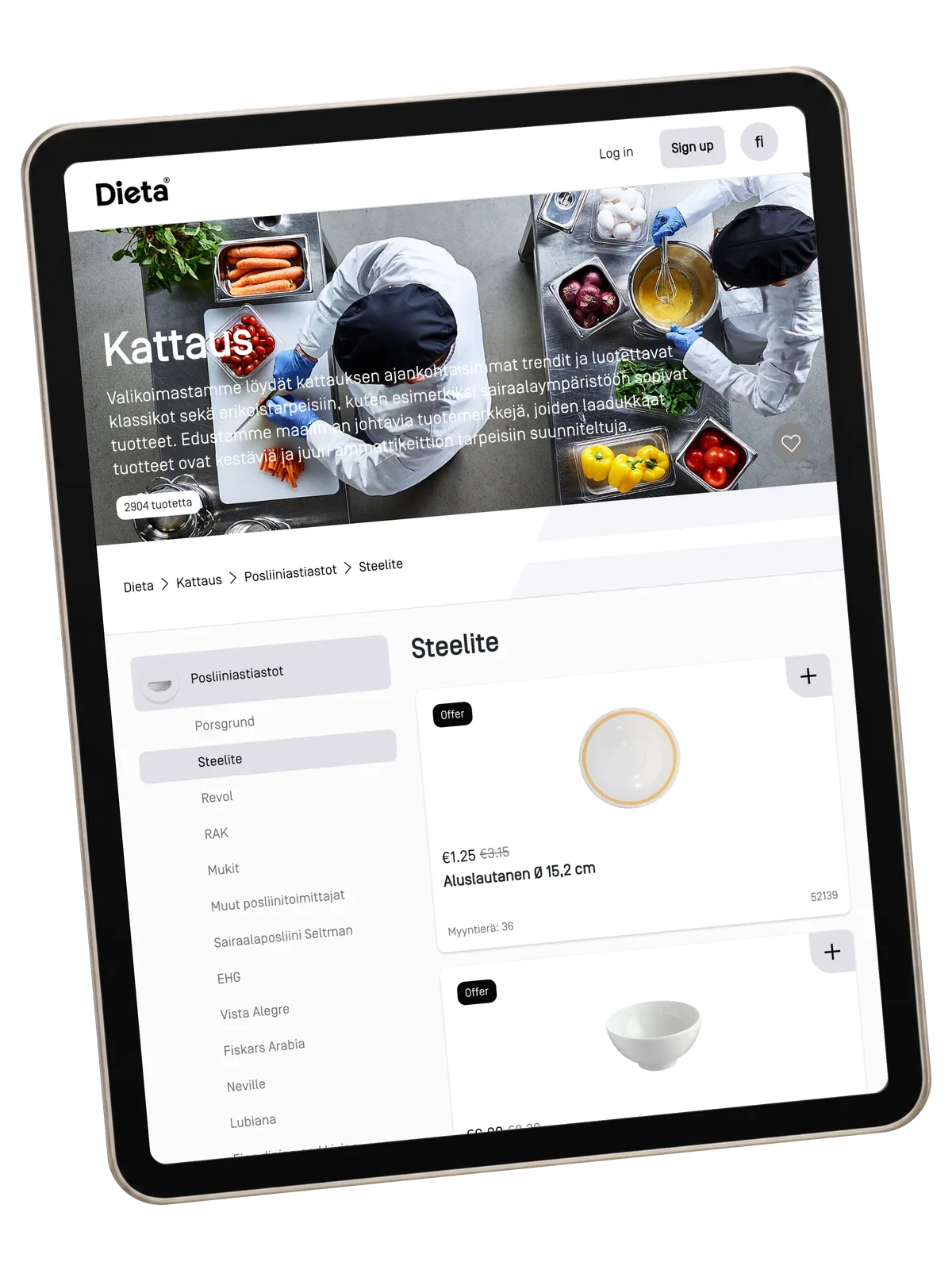
Choosing equipment for a professional kitchen starts with finding the right product. ReApptor developed the Dieta Shop prototype to bring visual browsing, product categories, brands and detailed specifications into one catalogue.
Customers can move from tableware collections to pizza ovens and coffee equipment, then inspect the product photograph, code, price and technical information in the same interface.
ReApptor uses a code-first platform approach. Reusable modules and generators help us launch faster, but the delivered customer solution is standard readable code, not hidden logic inside a proprietary no-code runtime. The goal is simple: platform speed without black-box platform lock-in.
Traditional custom development is flexible, but teams often spend the first months rebuilding the same foundations: authentication, roles, files, notifications, integrations, deployment, monitoring and operational tooling. ReApptor starts from reusable production-proven foundations, so the project can focus earlier on the customer's real business process.
No-code and low-code platforms can be fast at the beginning, but the business often becomes dependent on the vendor's runtime, limitations and shared platform model. ReApptor avoids that. The final solution runs as a customer-specific codebase and environment, with standard technologies and real custom development when needed.
Yes. Customer-specific project deliverables can be owned and handed over according to the agreed contract. The solution is maintained in a normal repository with standard development tooling, not inside a closed visual builder or proprietary scripting system.
ReApptor is designed to avoid black-box lock-in. The customer solution is built with readable code, documented data structures, transparent configuration and a dedicated environment. If needed, another qualified development team can be onboarded with proper documentation and handover.
No. ReApptor solutions are deployed as customer-specific environments with separate repositories, deployment pipelines, storage/data boundaries and access control. This is different from many platform tools where customers run inside the same vendor-controlled platform model.
Business requirements usually become clearer when real users start working with the system. ReApptor is built for continuous development. The first version can go live fast, then evolve through roadmap priorities, ongoing development and clearly agreed work packages. The point is to reduce scope friction, not turn every learning into conflict.
Yes. ReApptor solutions use standard technologies such as .NET, React, TypeScript, relational databases and normal Git-based development workflows. Experienced developers can be onboarded with architecture documentation, data model documentation and handover support.
Yes. ReApptor is designed for business system complexity: orders, bookings, tasks, inspections, documents, reports, approvals, planning views, integrations, file handling and operational workflows. If requirements move into highly specialised areas such as machine-level real-time control, heavy CAD processing or advanced optimisation engines, those parts are handled as explicitly scoped engineering packages.
Yes. ReApptor solutions are built on cloud-native patterns: scalable application nodes, dedicated databases, object storage for files, background workers, monitoring and controlled deployment practices. If usage grows, the infrastructure can be scaled without redesigning the application architecture.
The goal is that the customer retains the solution code, data model, database schema, documentation and the ability to run or maintain the system with internal staff or another qualified vendor. Continuity can also be supported through agreed handover rights, documentation deliverables, transition support or escrow arrangements.
Because it combines three things that are usually separated: reusable foundations for faster launch, customer-specific code and environment for ownership and flexibility, and production operations practices such as CI/CD, monitoring, controlled releases, backups and support. The result is a platform that can go live faster, operate reliably and evolve as the customer's business grows.
Get a high-quality app built to match your needs. Fill in your contact details and needs, and let’s get started.
Choose a time for a video call with our team. Tell us briefly what you would like to discuss so we can prepare.